

Addressing the root cause of pain.
Chronic pain often stems from a hypersensitive nervous system, not just tissue damage. My techniques target the nervous system directly to reduce pain sensitivity.

Following a science-backed and personalized approach.
Combining principles of interoception (the ability to sense your body’s internal state) and neuroplasticity, My approach helps you reshape the way your brain interprets pain

Focusing on gradual, safe progress.
Instead of avoiding movement, you’ll learn to reintroduce it in a way that feels safe, building confidence over time

Creating a mind-body connection
By incorporating mindfulness, you’ll develop tools to calm your nervous system and prevent pain from taking over.

Empowering you to take control
Through comprehensive support, I will teach you to care for your pain so it doesn't disrupt your life anymore.
I weighed 236 pounds and had difficulty going up and down the stairs in my own home without becoming breathless. My joints hurt and my back was sore most of the time. I wanted to lose some weight, and gain stamina and muscle strength again but I was so overweight I was afraid that I had waited too long. I’ve lost 50 lb (and counting), and several inches. My stamina is greatly improved and I feel better over all. I’ve also been able to drop two prescribed medications.
Deanna R.Strength Beyond Pain 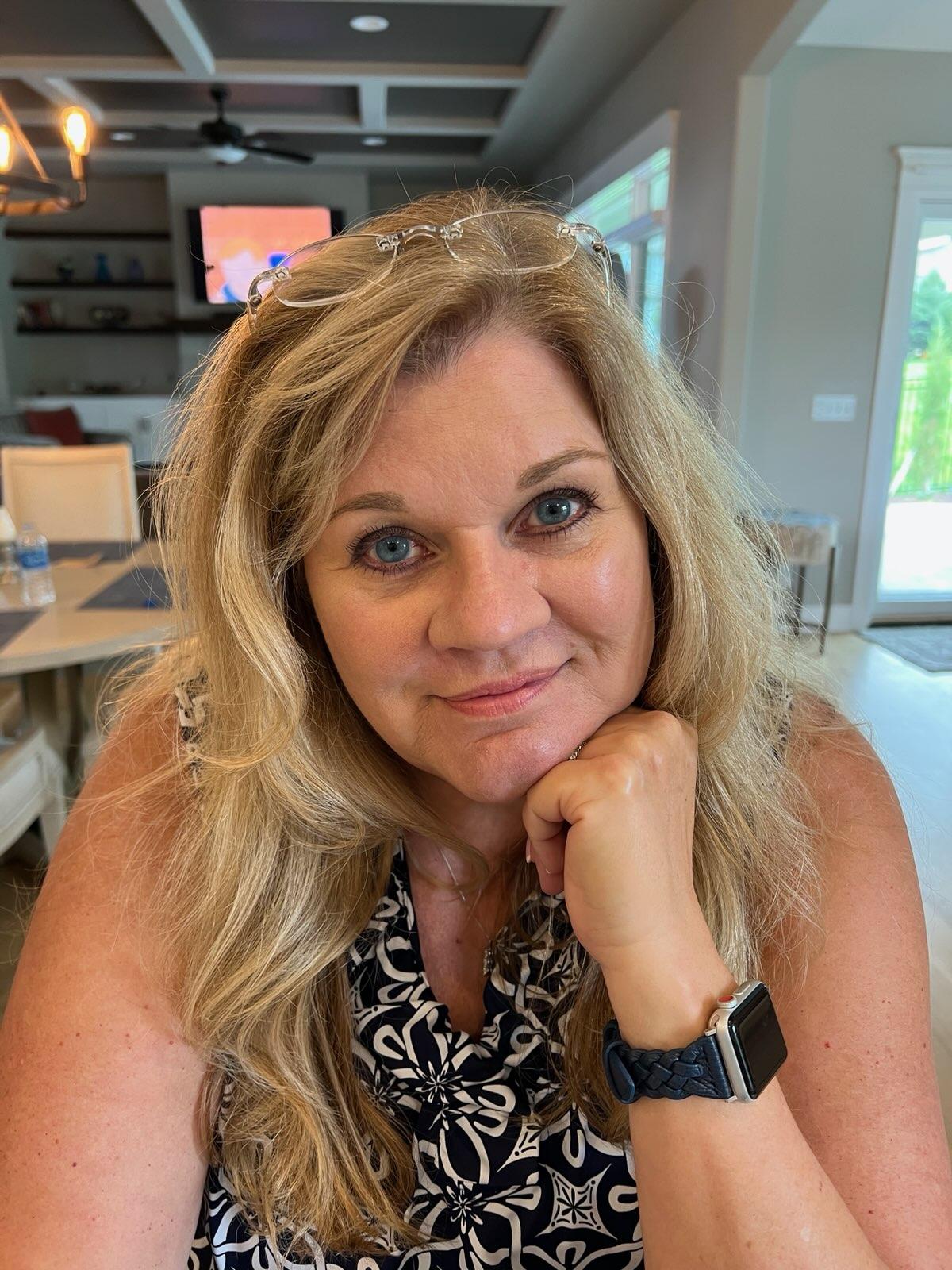
I was beginning to believe that I’d have to live the rest of my life in pain. Mandy taught me so much about chronic pain and gave me the tools to help manage it. I’m a firm believer now that mind body and soul are all connected and equally important. I’m doing things again that bring me joy- working out, playing with my children and cooking - all things that were put on hold when I would experience a pain flare up. My quality of life has drastically improved"
Chris JMove Beyond Pain 
As a result of the program, I gained wonderful and sustainable “tools" for managing my chronic lower back pain. First, Mandy is truly an expert in pain care management. I learned more from Mandy about pain than any doctor’s office I have visited and trust me I have visited many over the years. Next, Mandy provides daily homework and extremely responsive to each individual’s mobility level. Overall, I would highly recommend the program as it is life-changing!
Barb S.Move Beyond Pain 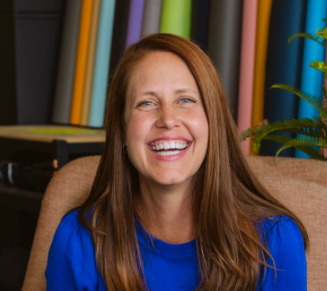
This program helped me to understand what pain really is, and just how complex it is! Throughout the process I found that the practices decreased my pain which helped me to trust the process, commit to the process and to trust my body too.I now have an understanding of pain and the tools to navigate pain when flares happen. The biggest benefit is that I am now so much more aware of my body. I’ve learned so much about not just my pain, but myself and what I am capable of. I’ve developed a mindfulness practice and finally have the tools to care for myself to manage my pain better. The lessons, practices and weekly group sessions are provided in a way that you can do things at your own pace while still holding you accountable for what needs to be done. It was helpful to have the daily reminders and accountability.
Lori BMove Beyond Pain 