


My Journey with TMD and Trigeminal Neuralgia And How I Found Holistic Relief
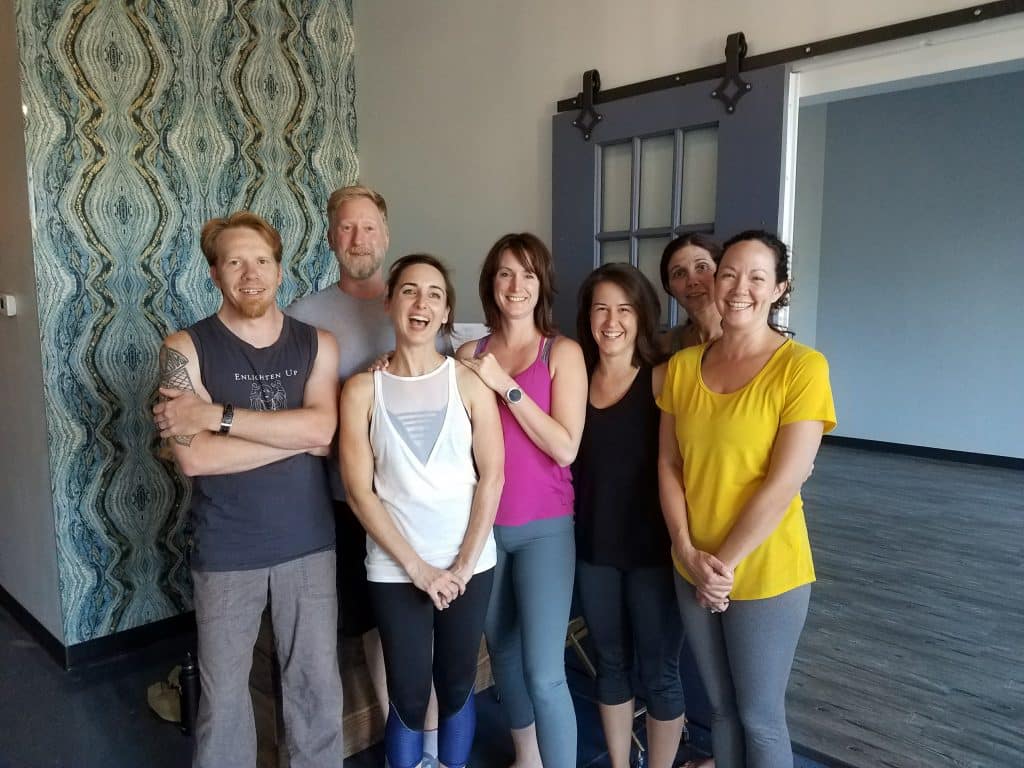
In 2015, I was the owner of my Yoga Studio, Sound Method Yoga. A job that I loved, but a business that I was essentially a slave to as a soloprenuer. I was a mom to two young kids, and navigating a high-stress, difficult marriage. That was also the year I began to experience debilitating ear pain. It was excruciating, but the doctors found nothing wrong with my ear. Eventually, I was told it was TMD (Temporomandibular Disorder).
I did what everyone does: I saw specialists. I saw dentists. But the “relief” never came. Instead, the pain migrated. It became face pain, throat pain, neck pain, and shoulder pain.
By the way, I didn’t choose the header image for this post because I thought I look my best. I chose it because this image was taken in 2019. I had lost hope. I was doing everything “right” but the pain never let up. I think you can see the pain in my eyes. The exhaustion, the fear.
The Reality of Living with Trigeminal Neuralgia
When my primary care physician finally diagnosed me with Trigeminal Neuralgia, I thought a name for the pain would mean a cure. Instead, it meant a revolving door of neurologists and physical therapists. I was spending a fortune on chronic pain management treatments that actually made me feel worse. It was stressful, it was time consuming. I remember wishing so fervently that any practitioner would actually care enough to walk me through what was happening. Make sense of all of the ineffective treatments. Reassure me that there was a light at the end of the tunnel
Anyone who has been on medication for nerve pain knows that the side effects can be astonishingly brutal, for very little relief. But the emotional toll of all of this was exponentially higher. I began to limit my social life. I dreaded my job, which required public speaking and traveling to new cities. Most heartbreakingly, I had to stop our nightly ritual of reading to my children because of the throat pain. Even another 15 minutes of communicating at the end of the day was intolerable. It was heartbreaking. I felt like I was failing as a professional and a mother. And I had no idea where to turn for relief, let alone healing.
The Turning Point: Pain Neuroscience and Neuroplastic Pain
In 2020, I enrolled in an advanced Yoga training that introduced me to pain neuroscience and somatic education. For the first time, my “inexplicable” symptoms—like food textures feeling “off” or my constant throat pain—actually made sense. I realized I wasn’t just dealing with a joint issue or with a neurological issue; I was dealing with neuroplastic pain. To be clear, trigeminal neuralgia is a disorder of the nerve. and it is the case that my temporomandibular joint is damaged. But the perplexity of other symptoms were a sign that my nervous systems were hypersensitive, and that was causing the immense suffering I was experiencing.
I spent the next year in a deep-dive mentorship with a leading pain science educator in Canada. I read the research. I studied the brain. But even with all that knowledge, I still lacked a specific neuroplastic pain treatment for my own face and jaw. I spent two more years forging new paths based on the evidence, having some successes but also hitting dead ends before I finally found the right combination of tools to unravel the pain.
The Turning Point: Pain Neuroscience and Neuroplastic Pain
What I eventually learned is that traditional medicine often tries to fix one discrete part—a joint, a nerve, a muscle. But my healing required a holistic chronic pain management solution. It wasn’t just one thing; it was everything:
- Changing how I think about pain, but also how my subconscious responds to threats
- Somatic Movement and yoga to retrain my nervous system.
- Lifestyle shifts, including consistent strength training.
- Emotional boundaries, like ending a toxic marriage and stopping the “over-functioning” in my business (still a work in progress).
Today I consider myself a success
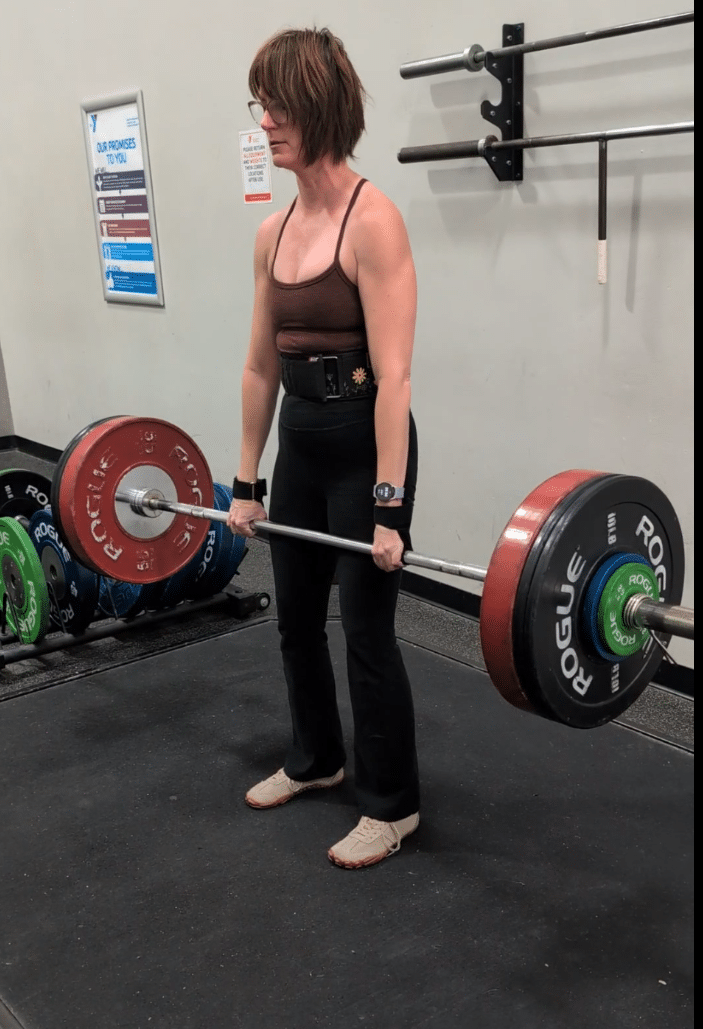
But that may not look like what you think. Most days I do not have pain. But I still do have flares. And they can be awful. But my perspective on them is what has changed the most. I know it’s temporary, I know that I have tools to get back on track. I know that my body will always protect me with this pain and that it is a signal that i need to return to my pain care routine, that all is not well in my self and that it’s time to listen.
I also view myself with more compassion. Before I felt like a failure. I now know that my nervous system is crying for help. It needs me to recalibrate. The comfort and confidence that this gives me, as someone who’s everyday was agony, is immeasurable.
And maybe most importantly, I’ve learned that managing pain, for me, doesn’t mean protecting myself, building a shell, avoiding provocative situations. It means learning to challenge myself the right amount. To build the robustness I need for the life I want.
I talk more about the personal record in this image here.
Why You Don’t Have to Go It Alone
It took me nearly six years to find relief. Today, I use that experience—and my work with countless women in midlife—to help others find a shorter path. We are all unique, but the patterns of how our nervous systems respond to stress and pain are often very similar, especially at this stage of life.
I often think about how much sooner I could have healed if I had understood the “why” behind my pain earlier. If a process like the one I have developed had been available to me.
I think about my fervent wish for an ally, a compassionate and capable guide. How desperately I needed that. And I have strived to become that ally.
I lean on my dual passions of scientific evidence and mind body practices. Because, as my mentor Neil Pearson says, “Pain changes everything, but the opposite is true as well. Everything changes pain” The question you will need to answer is, what are the most strategic “everythings” that will change your pain?
Stop guessing and start understanding. If you are struggling with “inexplicable” pain, I invite you to take my Neural Audit for Chronic Pain. It’s the tool I wish I’d had in 2015—It would have shortened my journey to relief significantly!
It’s a way to identify the specific lifestyle and neurological factors contributing to your pain so you can finally begin your own journey to TMJ relief or trigeminal neuralgia management. Or get on the path to healing your joint pain or IBS.